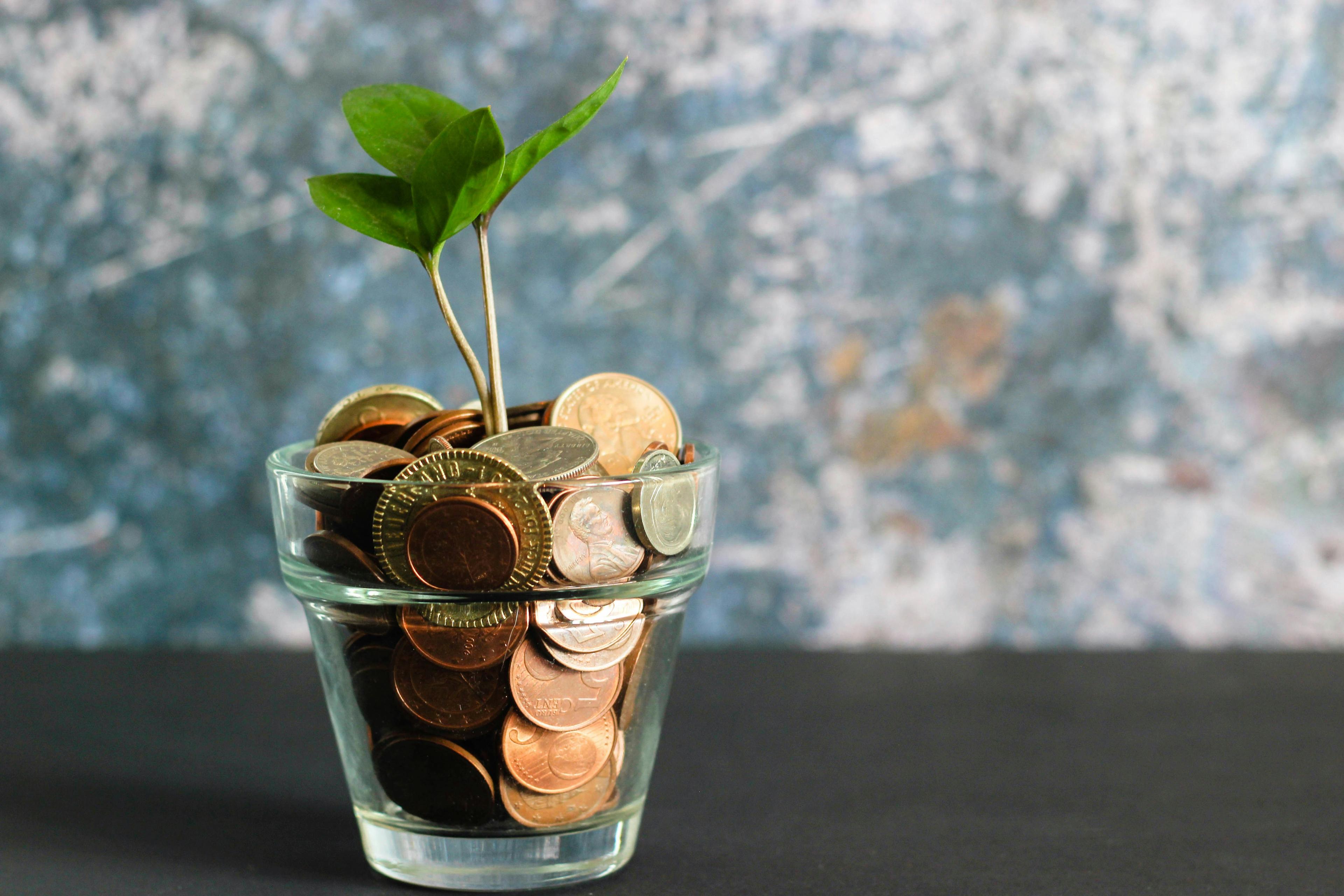
💰 Financial Literacy & Interest
Master the fundamentals of financial mathematics at the Grade 8 level! This quiz explores simple and compound interest, percentage-based rates, loan mechanics, and smart budgeting choices. Build real-world money skills by solving authentic scenarios involving savings accounts, credit purchases, and debt management. **What you'll learn:** - Calculate simple and compound interest using formulas - Interpret annual interest rates and their impact on borrowing and saving - Analyze the cost of borrowing through credit and loans - Apply financial mathematics to personal budgeting decisions - Evaluate real-world scenarios to make informed money choices
Questions in this quiz
Answers hidden — play to find out.
- Question 1
Sarah deposits $500 into a savings account with a simple interest rate of 4% per year. How much interest will she earn after 3 years?
- Question 2
Compound interest always results in a higher total amount than simple interest when invested for the same time period at the same annual rate.
- Question 3
A credit card company charges 18% annual interest on an unpaid balance. If Marcus owes $1,200 and makes no payments for one year, what will he owe (including interest) if the interest is compounded annually?
- Question 4
What does an annual interest rate of 5% mean in the context of a savings account?
- Question 5
Jordan takes out a personal loan of $2,000 at 6% simple annual interest for 2 years. What is the total amount he must repay?
- Question 6
When choosing between two loans with the same principal and time period, the loan with the lower interest rate will always cost less to borrow.
- Question 7
A bank offers two investment options: Account A pays 3% simple interest annually, and Account B pays 3% compounded annually. If you invest $1,000 for 5 years, approximately how much more will Account B be worth than Account A?
- Question 8
Aisha is budgeting for her monthly expenses. She earns $400 per month from a part-time job. If she spends 45% on food, 30% on entertainment, and 15% on savings, how much is she saving per month?
- Question 9
A payday loan with an interest rate of 400% per year is a good idea for short-term borrowing because the time period is short.
- Question 10
If a savings account has a principal of $800 and earns compound interest at 2% annually, what will the balance be after 2 years?
- Question 11
Which choice best describes the relationship between interest rate and borrowing cost?
- Question 12
Ethan compares two credit cards. Card A charges 15% annual interest, and Card B charges 12% annual interest. If he carries a balance of $500 for one year on each card, how much more will Card A cost in interest?
- Question 13
To minimize the total cost of a loan, you should aim for the lowest interest rate and the longest repayment period possible.
- Question 14
A student saves $50 per month for 12 months in an account earning 4% simple annual interest. Approximately how much total interest will she earn on all deposits over the year?
- Question 15
Which scenario best demonstrates good financial decision-making?
- Question 16
If you deposit 1,500.